DIPLOMA IN COUNSELLING
September 01, 2025
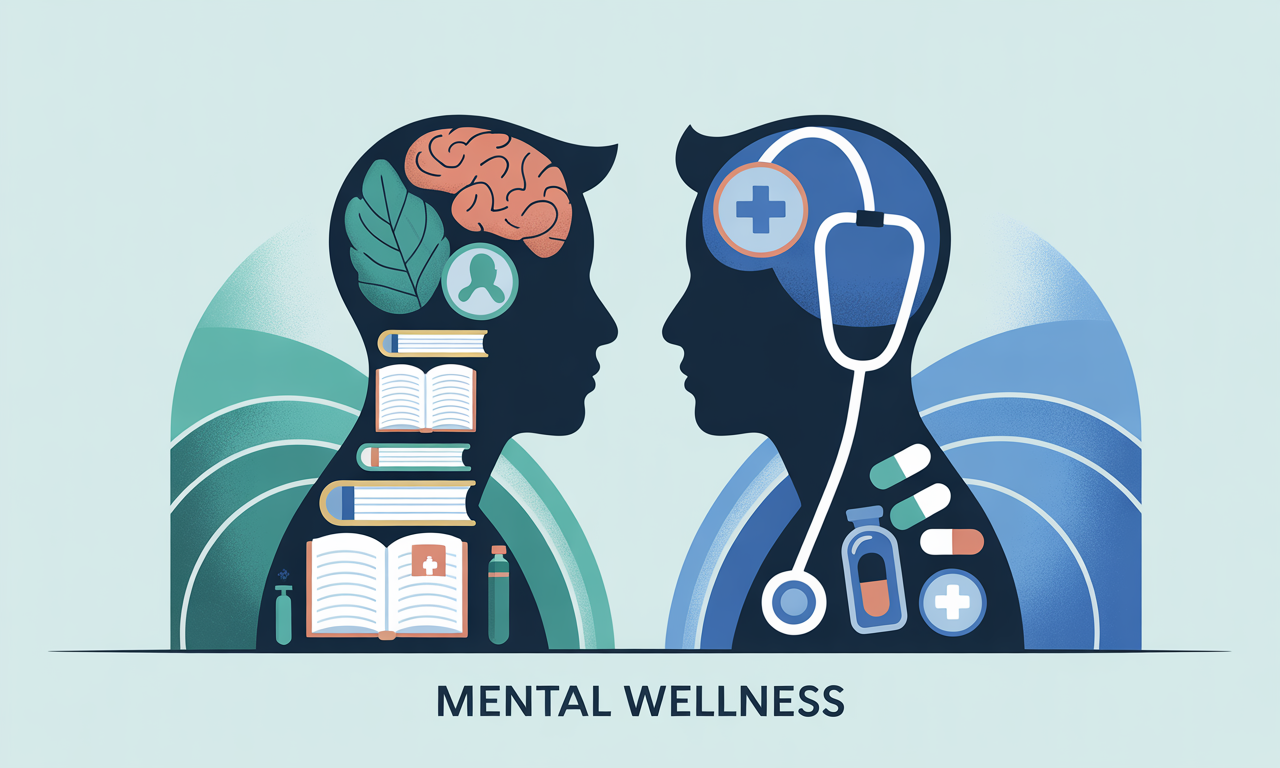
Psychologist vs. Psychiatrist: Understanding the Key Differences
When it comes to mental health, people often get confused between a psychologist and a psychiatrist. While both work towards improving emotional and psychological well-being, their training, roles, and approaches to treatment are quite different. Understanding these differences can help you decide whom to approach when seeking support.
Who is a Psychologist?
A psychologist is a professional trained in human behavior, emotions, and thought processes. They usually hold a master’s or doctoral degree in psychology and specialize in providing counseling, therapy, and psychological assessments.
What they do: Psychologists use talk therapy techniques such as Cognitive Behavioral Therapy (CBT), Humanistic Therapy, or Psychoanalysis to help individuals cope with issues like anxiety, stress, depression, trauma, relationship struggles, and behavioral challenges.
Training focus: They are experts in psychological theories, personality, and behavior modification techniques.
Prescription of medicines: Psychologists do not prescribe medication (except in some countries with special licensing). Instead, they focus on non-medical approaches to healing.
Who is a Psychiatrist?
A psychiatrist is a medical doctor (MD or equivalent) who specializes in mental health. Their approach to treatment is more biological and medical in nature.
What they do: Psychiatrists diagnose mental health conditions, prescribe medications, and in many cases, combine drug therapy with psychotherapy. They are often consulted for more severe or complex mental health conditions, such as bipolar disorder, schizophrenia, or major depressive disorder.
Training focus: Since psychiatrists come from a medical background, they are trained to understand the neurological and biological aspects of mental health.
Prescription of medicines: They can prescribe medication and often manage treatment plans that involve both therapy and pharmacology.
Key Differences at a Glance
| Aspect | Psychologist | Psychiatrist |
|---|---|---|
| Education | Master’s/Doctoral degree in Psychology | Medical degree (MD) with Psychiatry |
| Focus | Human behavior, therapy, assessments | Biological, medical, and pharmacological |
| Treatment approach | Talk therapy & behavioral interventions | Medication + therapy (if required) |
| Prescribes medicine | ❌ No | ✅ Yes |
| Best for | Emotional, behavioral, and daily life challenges | Severe mental health conditions |
Whom Should You See?
Final Thoughts
Both psychologists and psychiatrists play vital roles in mental health care. Sometimes, the best results come from a combined approach, where psychologists provide therapy and psychiatrists manage medications. The most important step is reaching out for help—because mental health matters, and seeking support is the first step toward healing.

September 01, 2025
September 01, 2025

September 01, 2025
September 01, 2025
September 01, 2025